

What Is Energy Based Healing?
- positiveembrace1
- May 2
- 6 min read
You can walk out of a session feeling lighter, calmer, and more settled - even when there was very little physical pressure involved. That is often the moment people start asking, what is energy based healing, and why does it feel so different from other kinds of care?
Energy based healing is a gentle wellness practice that works with the body’s subtle energetic system rather than relying only on muscle manipulation or physical intervention. People often seek it when they feel stressed, emotionally drained, mentally overstimulated, or simply out of balance. In many cases, it is used alongside therapeutic massage, reflexology, or other hands-on services to support a deeper sense of restoration.
What is energy based healing in simple terms?
At its core, energy based healing is the idea that wellbeing is influenced by more than muscles, joints, and physical symptoms alone. It recognizes that stress can settle into the body, emotions can affect how we feel physically, and a person’s overall sense of balance matters.
Practices in this category are designed to help the nervous system settle and to support the body’s natural ability to regulate itself. Some methods involve light touch or hands placed just above the body. Others involve guided stillness, breath awareness, or focused intention from the practitioner. Reiki is one of the best-known examples.
For many clients, the experience is less about something dramatic happening and more about a gradual shift. They may notice their breathing slows, their mind quiets, or a feeling of tension begins to soften. That subtle change is often the point.
How energy based healing is different from massage
Massage therapy usually works through direct contact with muscles and soft tissue. It can improve circulation, ease tightness, reduce discomfort, and help the body physically unwind. Energy based healing takes a different path.
Instead of focusing primarily on knots, adhesions, or tissue restrictions, it addresses the person as a whole. The aim is often to support calm, balance, and internal ease. That can be especially meaningful for someone whose stress feels bigger than muscle tension alone.
This does not mean one approach is better than the other. It depends on what your body and mind need in that moment. If you have a stiff neck from long workdays, therapeutic massage may be the clearest first step. If you feel emotionally overloaded, restless, or unable to settle, energy work may offer a kind of relief that physical pressure alone does not fully reach. For many people, the most supportive approach is a blend of both.
What happens during a session?
A typical energy based healing session is quiet, gentle, and deeply restorative. You usually remain fully clothed unless the service is combined with another treatment. The practitioner may place their hands lightly on specific areas of the body or hold them just above the body without direct contact.
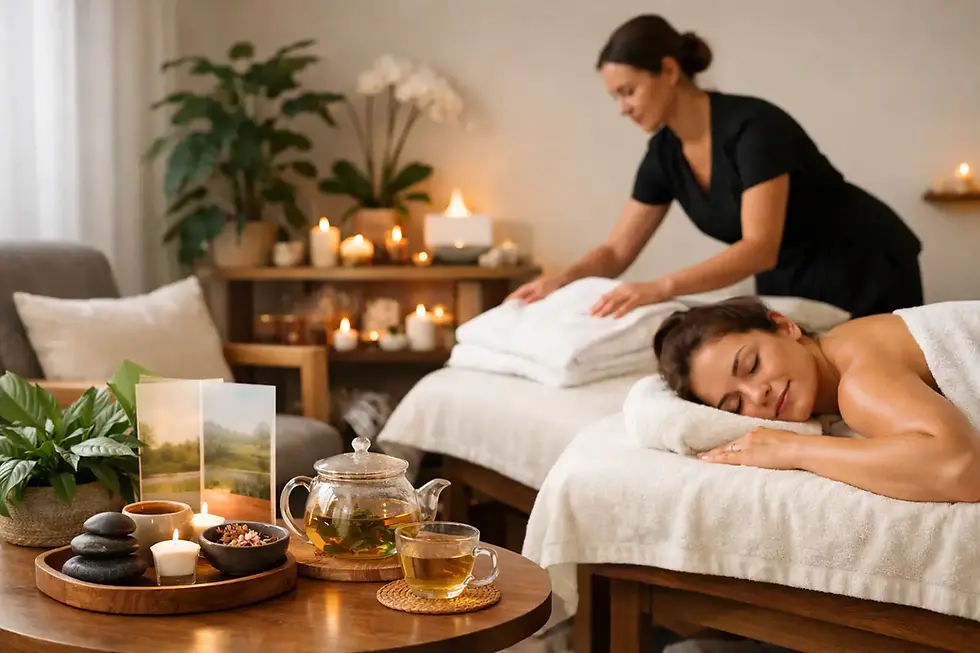
The setting matters. A calm room, an unhurried pace, and a practitioner who is present and attentive all help create a sense of safety. Once the body begins to feel safe, it often becomes easier to rest.
People describe many different sensations during a session. Some feel warmth, tingling, heaviness, or a wave of relaxation. Some feel emotional release. Others simply feel quiet, which can be powerful on its own. And some people do not notice much during the session but realize afterward that they are sleeping better, feeling less reactive, or carrying less tension.
The experience is personal. There is no single right way for it to feel.
Why people seek energy based healing
Most people do not book a session because they want something abstract. They book because they are tired, stressed, overwhelmed, or looking for relief that feels gentler and more whole-person.
Energy based healing is often sought for support with stress reduction, emotional fatigue, mental clutter, and that hard-to-describe feeling of being off. It can also be meaningful for people who are already receiving massage and want to deepen the restorative side of their care.
Working professionals often come in carrying constant tension from schedules, screens, and responsibility. Parents may feel touched out, depleted, and mentally scattered. Others are moving through grief, burnout, or periods of change and want a quiet space where their body can soften instead of bracing.
In these moments, subtle work can be surprisingly effective. Not because it forces the body to change, but because it gives the body room to settle.
What is energy based healing meant to do?
The goal is not usually to diagnose, cure, or replace medical treatment. It is meant to support balance and encourage a relaxation response in the body. That distinction matters.
When the nervous system is constantly activated, people often feel it everywhere. Their shoulders stay lifted. Sleep becomes shallow. Small frustrations feel bigger. Recovery feels slower. A gentle healing session may help shift the body away from that constant state of guarding.
For some clients, the benefit is immediate calm. For others, it is a greater sense of emotional steadiness over time. Some notice less physical tension because their stress level has eased. Others feel more grounded and present in their day-to-day life.
The results are often subtle, but subtle does not mean insignificant. Sometimes the most meaningful change is simply feeling like yourself again.
Common types of energy based healing
Reiki is one of the most recognized forms of energy based healing. It uses light touch or hands held just above the body with the intention of encouraging energetic balance and relaxation. Many people choose Reiki because it is noninvasive and easy to receive.
Other approaches may be rooted in spiritual traditions, body-centered wellness practices, or intuitive healing methods. Some are highly structured, while others are more practitioner-led and responsive to the client’s needs in the moment.
That is one reason finding a skilled practitioner matters. Technique is part of the experience, but so is presence. Feeling cared for, respected, and professionally supported can shape how deeply someone is able to relax.
At Positive Embrace Massage Therapy, this whole-person perspective is part of the care itself. Services such as Reiki and Reikissage reflect the understanding that physical relief and energetic restoration often support each other.
Does energy based healing really work?
This is a fair question, and the honest answer is that it depends on what you mean by work. If someone expects it to feel like deep tissue massage or to create an instant structural change in the body, they may misunderstand what the session is designed to do.
If the goal is to feel calmer, more centered, less emotionally burdened, or more able to rest, many people find it genuinely helpful. The value often shows up in how they feel afterward - clearer, quieter, less tense, and more balanced.
There is also an individual factor. Some clients connect with energy work right away. Others need a few sessions to understand what it offers. And some simply prefer more physically focused treatments. That does not mean anyone is doing it wrong. It just means wellness is personal.
A grounded practitioner will never promise unrealistic outcomes. They will listen, create a calm environment, and offer care that supports your wellbeing without overstatement.
Who might benefit most?
Energy based healing can be a good fit for people who are carrying chronic stress, feel emotionally overloaded, or want a gentler complement to massage therapy. It can also be a welcome option for those who do not always want intensive physical pressure.
It is often especially appealing to people who say things like, “I just can’t turn my mind off,” or “I feel tense all the time, even when I’m resting.” When stress is woven through both mind and body, a subtle approach can meet that experience in a different way.
That said, energy work is not a replacement for medical or mental health care when those are needed. It is best understood as supportive care - one piece of a broader wellness picture.
How to know if it is right for you
If you are curious, you do not need to become an expert before trying it. You only need a little openness and a trustworthy practitioner. Start with your reason for seeking care. Are you craving stillness? Feeling depleted? Looking for a treatment that supports both relaxation and emotional ease? Those are strong signs that this kind of session may be worth exploring.
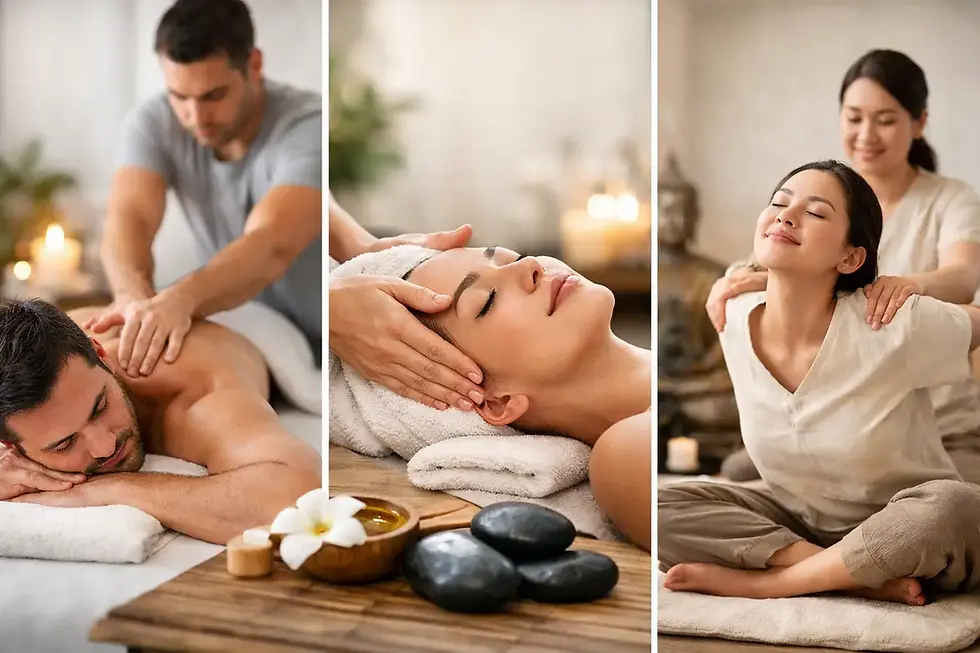
You can also choose a blended service if you want both physical and energetic support. For many clients, combining massage with Reiki feels especially grounding because it addresses muscular tension while also creating space for deeper calm.
Sometimes healing does not arrive through force. Sometimes it begins when the body finally feels safe enough to let go. If that kind of relief sounds familiar, energy based healing may be a gentle place to begin.

Comments