
How Reflexology Supports Relaxation and Relief
- positiveembrace1
- 4 days ago
- 5 min read
A long day often shows up in the feet first. They carry us through commutes, errands, long hours at a desk, and the constant pace of caring for everyone else. When the mind feels busy and the body cannot quite settle, focused footwork can offer a surprisingly grounding place to begin. This is how reflexology supports relaxation: through attentive, steady touch that invites the nervous system to slow down and gives the whole person space to rest.
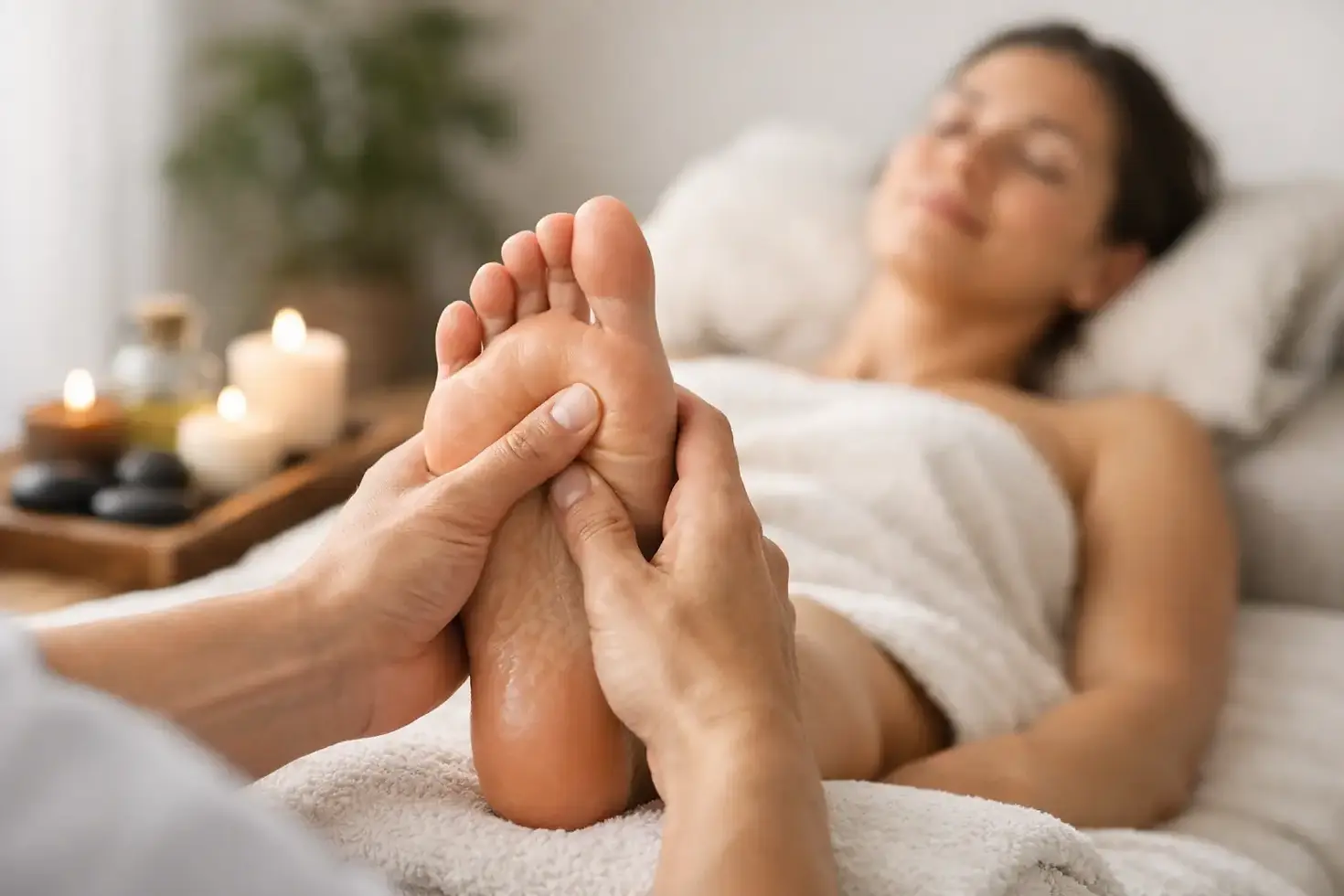
Foot reflexology is not simply a foot massage, although it can feel deeply comforting. It is a focused form of bodywork that uses pressure and massage techniques on specific areas of the feet. Traditional reflexology maps these areas to different parts and systems of the body. While reflexology should not be presented as a cure for medical conditions, many people find that a session helps them feel calmer, less physically guarded, and more connected to their own wellbeing.
For people in Mechanicsburg and throughout Central Pennsylvania, that pause can be meaningful. A demanding job, family responsibilities, persistent tension, and too little quiet time can leave the body feeling as though it is always on alert. Reflexology creates a dedicated hour to receive care rather than push through discomfort.
How Reflexology Supports Relaxation in the Body
Relaxation is not only a pleasant feeling. It is a change in the way the body responds to stress. When we are rushing or worried, muscles may stay subtly braced, breathing can become shallow, and the mind may keep scanning for the next task. Gentle, purposeful touch can help interrupt that pattern.
During reflexology, the practitioner works gradually across the feet with thumbs, fingers, and measured pressure. The rhythm matters. Repeated, predictable touch can feel reassuring to a system that has been managing too much stimulation. Many clients notice that their breathing deepens without being asked to change it. Their shoulders soften. The mental list that followed them into the room becomes less urgent.
There is also something naturally settling about receiving attention through the feet. Feet are rich in sensory nerve endings, yet they are often overlooked except when they ache. When they are supported and treated with care, the experience can help a person feel more physically present. That grounded sensation is especially welcome for people whose work keeps them in their heads all day.
The response varies from person to person. Some clients become quietly sleepy during a session, while others feel clear, light, and renewed afterward. Neither response is better. The goal is not to force a particular outcome, but to create the conditions in which the body can move toward ease.
The Value of Intentional Pressure
A skilled reflexology session is not about pressing as hard as possible. More pressure does not automatically mean more benefit. The most restorative work is responsive: firm enough to feel purposeful, yet respectful of sensitivity, soreness, and each client’s comfort level.
This is where practitioner-led care makes a difference. An experienced therapist pays attention to feedback that may not be spoken aloud - a foot pulling away, a shift in breathing, tension in the calf, or the way a client settles when a certain pace is used. Pressure can be adjusted in real time so the session feels therapeutic rather than overwhelming.
Some areas of the feet may feel tender, particularly after long periods of standing, exercise, or wearing unsupportive shoes. Tenderness is useful information, not a reason to push through pain. A thoughtful practitioner can work around sensitive areas, use lighter contact, and incorporate soothing massage strokes between more focused techniques. This balance helps the nervous system stay receptive.
For clients who are accustomed to deep tissue massage, reflexology can be a different kind of relief. It may not target a knot in the shoulder directly, but it offers a quieter path toward whole-body calm. For someone recovering from a week of physical overuse or emotional overload, that may be exactly what is needed.
A Restorative Choice for Busy Lives
Reflexology is well suited to people who have trouble making rest a priority. A full-body massage can be wonderful, but not everyone is ready for that level of treatment on a particular day. Some clients prefer to remain fully clothed, want a shorter focused service, or simply feel most comfortable beginning with their feet.
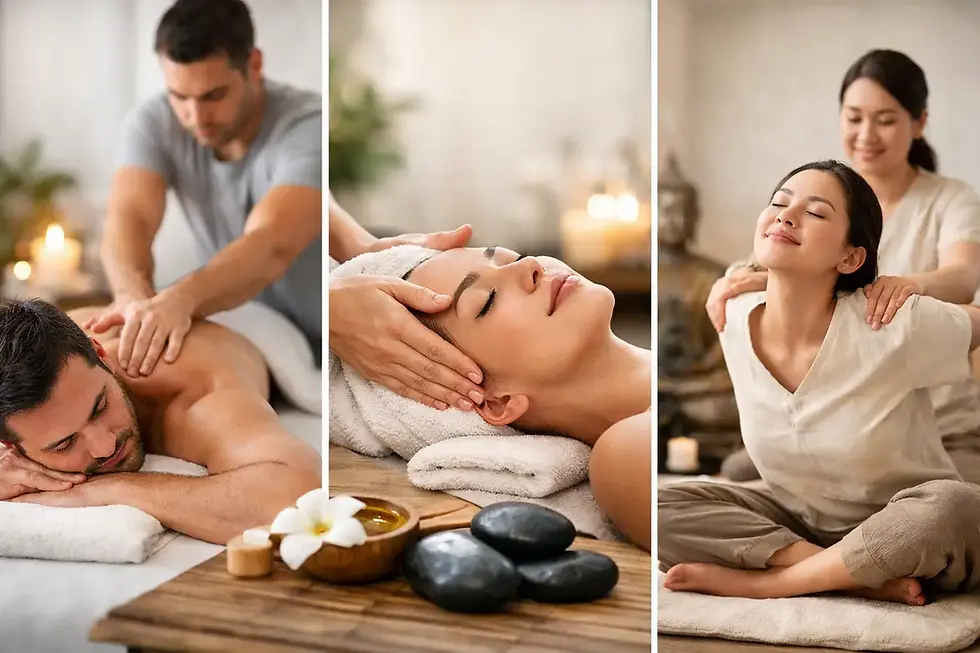
It can also complement other forms of care. A person receiving therapeutic massage for upper-back tension may choose reflexology on another visit when they want gentler, more grounding attention. Someone who enjoys Reiki may appreciate the quiet stillness of a foot-focused session. At Positive Embrace Massage Therapy, care is approached intuitively, with the understanding that what feels supportive can change from one appointment to the next.
Reflexology is especially appealing when the need is less about fixing one problem and more about feeling restored. Parents who rarely get uninterrupted quiet, professionals who carry the workday home in their bodies, and caregivers who spend their energy looking after others can all benefit from receiving calm, undivided attention.
That does not mean reflexology replaces medical care. Ongoing pain, numbness, swelling, injuries, circulation concerns, or sudden changes in how your feet feel deserve medical guidance. Reflexology works best as supportive wellness care alongside appropriate healthcare, not as a substitute for diagnosis or treatment.
What a Relaxing Reflexology Session Can Feel Like
The session begins with comfort. You may be seated or reclined, with your feet supported and warm. After a brief conversation about your goals, preferences, and any relevant health concerns, the practitioner begins with gentle contact to help the feet relax before moving into more focused work.
The sensation can range from light pressure to a comfortably firm, specific touch. There may be moments of tenderness, followed by a feeling of release. Many people describe a warmth in their feet, a heaviness in their limbs, or the pleasant sensation of finally being able to exhale. Others simply enjoy the rare experience of having nothing to accomplish.
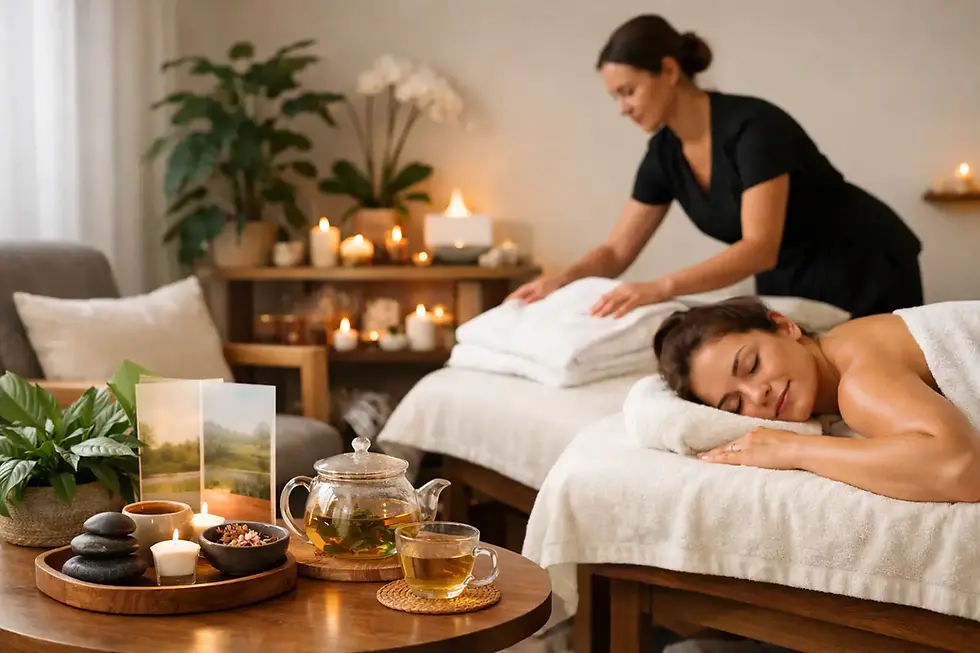
The room itself matters, too. Relaxation is easier when a client feels safe, respected, and unhurried. A peaceful setting, clear communication, and consent around pressure all help the body let go. The therapist’s presence is part of the treatment: calm hands, attentive pacing, and genuine care can make a session feel personal rather than routine.
Afterward, it is wise to give yourself a gentle transition if your schedule allows. Drink water, wear comfortable shoes, and resist the urge to fill the next hour with errands if you can. The relaxed feeling may last into the evening, especially when the session is followed by a warm shower, an earlier bedtime, or a few minutes away from screens.
Making Reflexology Part of Ongoing Self-Care
One reflexology appointment can offer a welcome reset, but regular care may be more helpful for people whose stress is ongoing. The right frequency depends on your needs, schedule, and response to treatment. Some people schedule sessions during particularly demanding seasons. Others find that a monthly visit gives them a reliable point of restoration in the calendar.
Between appointments, small acts of foot care can extend the feeling of attention and ease. A warm foot soak, gentle stretching of the calves and ankles, supportive footwear, or a few quiet minutes with lotion before bed can become a simple ritual. These practices are not a replacement for professional bodywork, but they reinforce the message that your comfort is worth noticing.
Most of all, reflexology offers permission to pause. It reminds us that relief does not always require doing more. Sometimes, healing begins with a supported foot, a quiet room, and the kindness of allowing yourself to receive care.

Comments