

Massage for Neck and Shoulders That Helps
- positiveembrace1
- May 29
- 5 min read
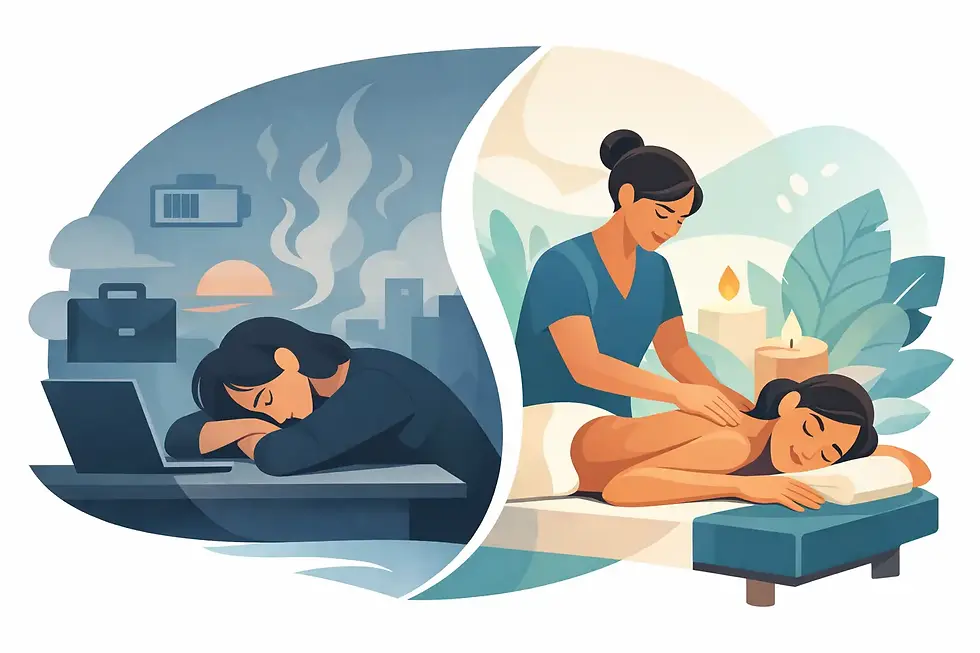
By the end of a long day, neck and shoulder tension can make everything feel harder than it should. Concentrating takes more effort, sleep can feel less restful, and even simple movements like turning your head or reaching overhead may come with stiffness. A well-planned massage for neck and shoulders can bring meaningful relief, but the best results usually come from care that is thoughtful, personalized, and responsive to what your body is holding.
For many people, this tension builds gradually. Hours at a desk, time behind the wheel, stress that settles into the upper body, poor sleep posture, and repetitive daily habits can all contribute. Sometimes the discomfort feels like a dull ache across the tops of the shoulders. In other cases, it shows up as tight bands near the base of the skull, tenderness between the shoulder blades, or a heavy, fatigued feeling through the upper back.
Why neck and shoulder tension shows up so often
The neck and shoulders work harder than most people realize. These muscles help support the head, stabilize posture, and assist with frequent arm movement throughout the day. When stress rises or posture slips forward, the upper trapezius, levator scapulae, scalenes, and surrounding muscles often begin to compensate. Over time, they can stay in a guarded pattern, even when you are trying to rest.
That is why this kind of discomfort is not always just about one tight spot. The area is interconnected. A restricted chest, tired upper back muscles, jaw tension, or even shallow breathing can influence how the neck and shoulders feel. In practice, that means effective bodywork often requires more than simply pressing harder where it hurts.
This is also where a therapeutic approach matters. Relief tends to last longer when the session is shaped around how your body is functioning as a whole, not just around the loudest point of tension.
What massage for neck and shoulders can help with
When the work is tailored well, massage can reduce muscular tightness, improve circulation, and encourage the nervous system to settle. Many clients notice that the immediate benefit is not only less pain, but also a sense that their body is no longer bracing.
A massage for neck and shoulders may be especially helpful if you are dealing with stress-related tightness, tension headaches that begin in the upper neck, soreness from desk work, stiffness after travel, or the lingering strain that comes from lifting children, carrying bags, or sleeping awkwardly. It can also support people who do not describe their symptoms as severe, but simply know they have been carrying too much in their upper body for too long.
That said, massage is not a cure-all. If pain is sharp, radiating down the arm, paired with numbness, or related to a recent injury, it may call for medical evaluation first. Skilled therapists understand that part of good care is recognizing when hands-on treatment is appropriate and when another level of assessment is needed.
What a good session should feel like
One common misconception is that more pressure always means better results. For neck and shoulders, that is not necessarily true. These areas can be sensitive, and when the body already feels protective, aggressive pressure may cause it to tighten more.
A better session usually begins with listening. That includes hearing what you are experiencing, but also noticing how the tissue responds. Some clients need focused therapeutic work into specific muscle groups. Others respond best to slower, calming techniques that allow tension to release without force. Often, the most effective approach blends the two.
You might notice attention not just on the neck itself, but also on the upper back, chest, scalp, or jaw. That broader approach often helps because the source of strain is rarely isolated. Releasing the surrounding structures can take pressure off the neck and shoulders in a more natural way.
Breathing also matters more than people expect. When your breath softens, your body tends to soften with it. A practitioner-centered massage session should create enough safety and calm for that shift to happen.
When neck and shoulder massage works best
Some people book only when the tension becomes unbearable. While that can still help, the body often responds better when care happens before the discomfort becomes deeply entrenched.
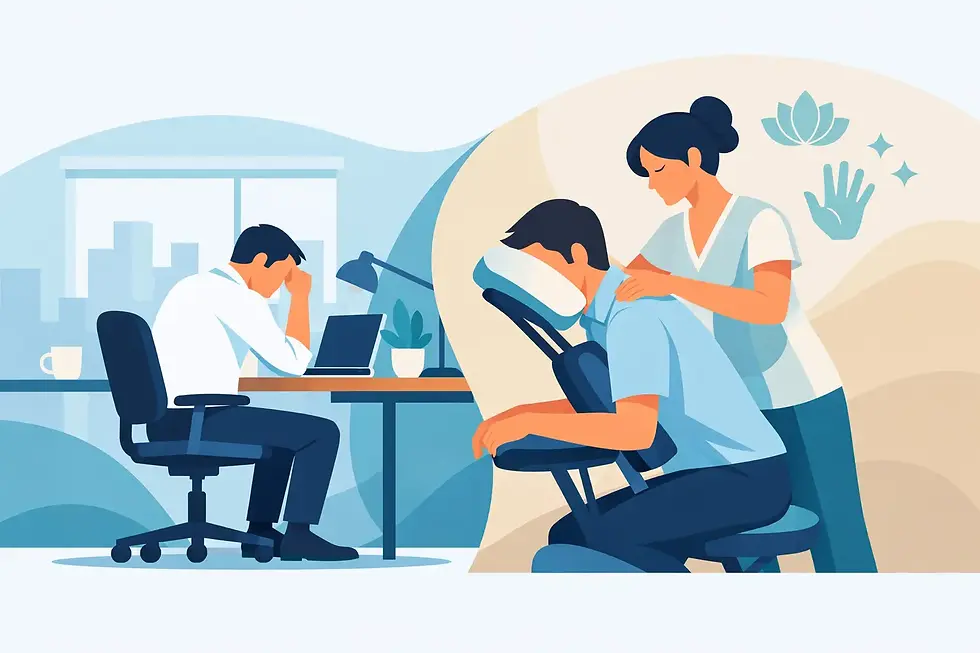
If your tension is tied to work stress, frequent computer use, caregiving demands, or recurring posture patterns, regular sessions can be more effective than waiting until you are flared up. That does not mean everyone needs the same schedule. For some, monthly care is enough to stay comfortable. For others, a short series of closer appointments helps interrupt a longer-standing cycle.
It depends on how long the problem has been present, how intense it feels, and what your daily habits require from your body. A therapist who works intuitively will help you think in realistic terms, not one-size-fits-all recommendations.
What makes therapeutic care different
There is a real difference between a routine massage and one that is adapted in the moment. Neck and shoulder pain is personal. One client may need detailed work around the shoulder girdle after years of computer use. Another may mostly need the nervous system to quiet down so chronic holding can ease.
That is why practitioner-led care tends to stand out. Instead of following a preset sequence, the therapist pays attention to quality of tissue, areas of compensation, and your comfort level throughout the session. The goal is not to chase pain. It is to create change in a way your body can receive.
At Positive Embrace Massage Therapy, that healing mindset is central to the work. Sessions are designed to support both physical relief and a deeper sense of restoration, which is often exactly what overworked neck and shoulders have been missing.
Small daily habits that support the results
Massage can do a great deal, but your everyday patterns matter too. If you return immediately to clenching your jaw, reaching forward toward a screen, and skipping rest, the tension usually rebuilds more quickly.
Supportive changes do not have to be dramatic. A better chair setup, more frequent movement during the workday, switching shoulders when carrying a bag, and noticing when you are lifting your shoulders while stressed can all help. Gentle stretching may be useful, but only if it feels relieving rather than forced.
Heat can also be comforting for many people, especially when the muscles feel dense and overworked. Others respond better to quiet rest, hydration, and a slower evening after a session. Again, it depends on what your body needs and how it tends to hold stress.
Signs it may be time to book
You do not need to wait until the pain is severe to seek care. Often, the earlier signs are subtler. Your shoulders may feel constantly elevated. You may wake with stiffness, rub the base of your neck without thinking, or notice that stress always seems to land in the same place. Headaches that start at the back of the head, reduced range of motion, and a sense of heaviness through the upper body can all be signals that your muscles are asking for attention.
The good news is that this kind of tension often responds very well to skilled bodywork. When the treatment is matched to your needs, relief can feel both physical and emotional. People frequently leave not only moving better, but feeling more settled, clear, and present.
That matters. The neck and shoulders are often where people carry the unseen weight of responsibility, overextension, and long periods of pushing through. Receiving care in that area is not indulgent. It is a practical way to support function, comfort, and overall wellbeing.
If your upper body has been asking for relief, there is value in listening before the tension becomes your normal. Sometimes a calmer, more comfortable body begins with one hour of attentive touch in exactly the place that has been holding too much.
Comments