
A Calm Guide to Hot Stone Massage
- positiveembrace1
- 3 days ago
- 6 min read
When your shoulders feel like they have been bracing for days and your mind will not quite settle, a hot stone session can feel less like a luxury and more like relief arriving at the right time. This guide to hot stone massage is here to help you understand what the treatment actually does, what it feels like, and whether it is the right fit for your body right now.
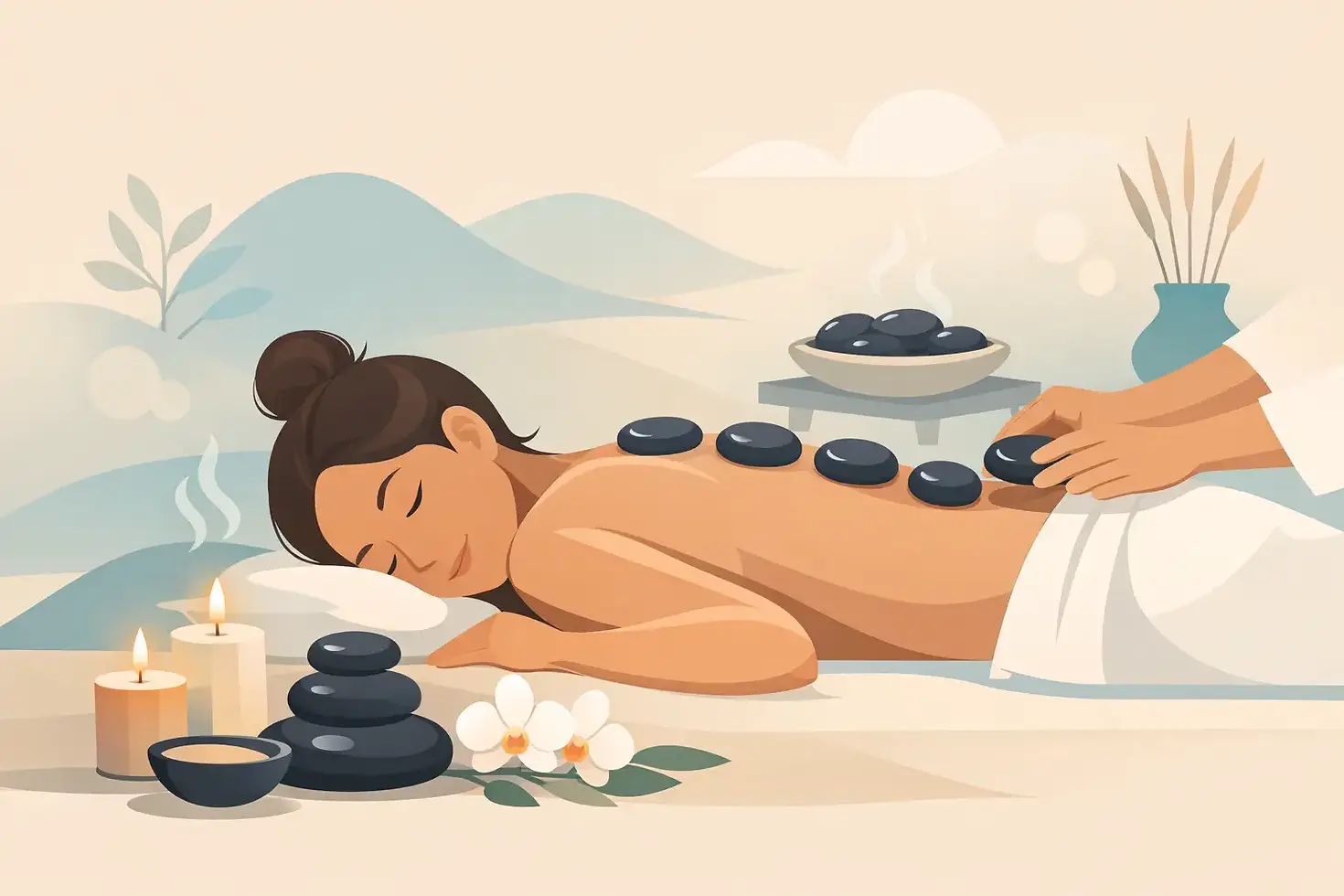
Hot stone massage combines skilled hands-on bodywork with smooth, heated stones, most often basalt stones because they hold warmth well. The heat is not there just for atmosphere. Used thoughtfully, it helps soften guarded muscles, encourages circulation, and allows the body to receive massage more comfortably. For many people, that means less resistance, deeper relaxation, and a greater sense of ease by the end of the session.
What makes this modality so effective is not simply the temperature of the stones. It is the way a trained therapist uses warmth, pressure, pacing, and intuition together. In a practitioner-centered setting, the stones become an extension of therapeutic touch, not a substitute for it.
What a guide to hot stone massage should clarify first
One common misconception is that hot stone massage is always heavy pressure or intensely deep work. In reality, it can be deeply therapeutic without feeling harsh. The heat often helps muscles release with less force, which is especially helpful for people who tense up under stronger pressure.
Another misunderstanding is that every session follows the same routine. A quality massage should be adapted to the person on the table. Some clients need focused work in the neck, upper back, and shoulders. Others are carrying strain in the low back, hips, or legs. Some need quiet and grounding more than targeted muscle work. Hot stone massage can support all of these goals, but the session should still be shaped around your needs.
The experience is usually both physical and calming. As the body warms, breathing often deepens naturally. Areas that felt tight or guarded may begin to soften. For clients who carry stress emotionally as much as physically, that shift can be just as meaningful as the muscular relief.
How hot stone massage works in the body
Heat changes the way tissue responds. When warmth is applied gradually and safely, muscles tend to relax and circulation improves in the treated areas. That can make massage strokes feel smoother and more effective, particularly in places where chronic tension has built up over time.
The stones may be placed on specific areas of the body or used as tools during the massage itself. A therapist might glide a heated stone along the back, shoulders, or legs to warm the tissue before using hands-on techniques. Sometimes the stones are alternated with manual work so the session feels balanced rather than overly heat-focused.
This matters because not every body responds best to the same amount of heat or pressure. Some people love a fuller stone-based session. Others do better with a lighter use of stones blended into a traditional therapeutic massage. There is no single correct version. The best session is the one that listens to your body.
Benefits of hot stone massage
Many clients seek hot stone massage for one simple reason: they want to feel relief without feeling worked over. The warmth can be especially comforting when muscles are stiff, overused, or slow to let go.
Common benefits include reduced muscle tension, a calmer nervous system, improved circulation, and an easier transition into relaxation. Clients often describe feeling more open through the shoulders and back, less compressed through the hips, and mentally quieter afterward. If stress has been showing up as jaw tension, shallow breathing, headaches, or that restless feeling where you cannot fully unwind, the treatment may help create a reset.
That said, hot stone massage is not a cure-all. If you are dealing with an acute injury, active inflammation, certain medical conditions, or heat sensitivity, a different approach may be more appropriate. Good care is never about forcing one modality to fit every situation.
What to expect during your session
If you have never had a hot stone massage before, it is natural to wonder whether the stones will feel too hot. In a professional setting, they should feel warm, soothing, and carefully monitored. A therapist tests temperature and adjusts throughout the session. You should never feel like you need to endure discomfort.
Most appointments begin with a brief conversation about what is bothering you, how your body has been feeling, and what kind of pressure you generally prefer. This part matters. It helps shape the session so it supports your goals, whether those goals are therapeutic relief, deep relaxation, or a combination of both.
Once the massage begins, the stones may be used first to introduce warmth into tense areas. You may notice a softening effect fairly quickly, especially in the back and shoulders. Some sessions include stone placement on key areas while others emphasize movement with the stones. The rhythm is usually slower than a standard massage, which can feel especially grounding for people who spend most of their day rushing, multitasking, or carrying a lot mentally.
Afterward, it is common to feel both relaxed and more mobile. Some clients feel quietly energized, while others want to go home, drink water, and enjoy the calm. Either response is normal.
Who hot stone massage helps most
This work tends to be a strong fit for adults who carry chronic tension, stress-related tightness, or general physical fatigue. Working professionals who spend hours at a desk often appreciate the way heat helps release the upper back and neck. Parents and caregivers, who are used to tending to everyone else first, often respond to the nurturing stillness of the session as much as the physical treatment.
It can also be helpful for people who want therapeutic massage but find deeper pressure difficult to receive. Warmth often lets the body open without the sense of bracing that can happen during more forceful work.
Still, there are times when another service may be a better match. If your system feels depleted, overstimulated, or emotionally tender, a gentler therapeutic session or a massage blended with energy work may feel more supportive. If your body is flared up or highly sensitive, less heat and more targeted manual care may be the wiser choice. This is where practitioner experience matters.
When hot stone massage may not be ideal
There are situations where caution is needed. If you have certain circulatory issues, neuropathy, uncontrolled high blood pressure, recent injuries, skin conditions, fever, or difficulty sensing temperature accurately, hot stone massage may need to be modified or postponed. Pregnancy can also call for a different plan depending on the person and stage.
This is not meant to be alarming. It is simply part of thoughtful care. A well-trained therapist will ask the right questions and guide you honestly. Sometimes the most healing recommendation is not the most popular service, but the one that fits your body safely and respectfully.
Choosing the right therapist for hot stone massage
Because this modality looks simple from the outside, people sometimes underestimate the skill behind it. Safe stone work requires attention, training, and presence. The therapist should understand body mechanics, muscle patterns, contraindications, and how to adjust heat based on real-time feedback.
You also want someone who does not treat the session like a fixed script. The best results come from intuitive care - noticing how your tissue responds, recognizing where stress is being held, and adjusting the pace or pressure accordingly. That is part of what separates a healing session from a generic spa treatment.
At Positive Embrace Massage Therapy, hot stone sessions are approached with exactly that kind of care: professional, compassionate, and responsive to the person in front of us. For many clients in Mechanicsburg and across Central Pennsylvania, that attention is what turns a good massage into a trusted part of ongoing wellness.
Making the most of your hot stone massage
Try not to race into the appointment already depleted and then race right back out of it. If possible, give yourself a little space before and after. Arrive with enough time to settle. Let your therapist know if you run hot, tend to be sensitive to pressure, or have specific areas that need extra attention.
After the session, pay attention to what your body is asking for. Water, gentle movement, rest, and a quieter evening often help the benefits last longer. Some people do best with occasional hot stone massage as a reset during stressful seasons. Others find it works best as part of a regular therapeutic routine. It depends on your goals, your schedule, and how your body responds.
If your system has been asking for warmth, relief, and a little less holding on, hot stone massage can be a deeply supportive place to begin. Sometimes healing starts with something very simple: a body that finally feels safe enough to soften.

Comments