

Benefits of Blended Bodywork for Lasting Relief
Some days, stress lives in more than one place. Your shoulders may feel tight from hours at a desk, while your thoughts keep racing long after the workday is over. You may want relief for an aching back, but also a quieter nervous system and a moment to simply feel cared for. The benefits of blended bodywork come from meeting those needs together rather than treating the body and mind as separate concerns.
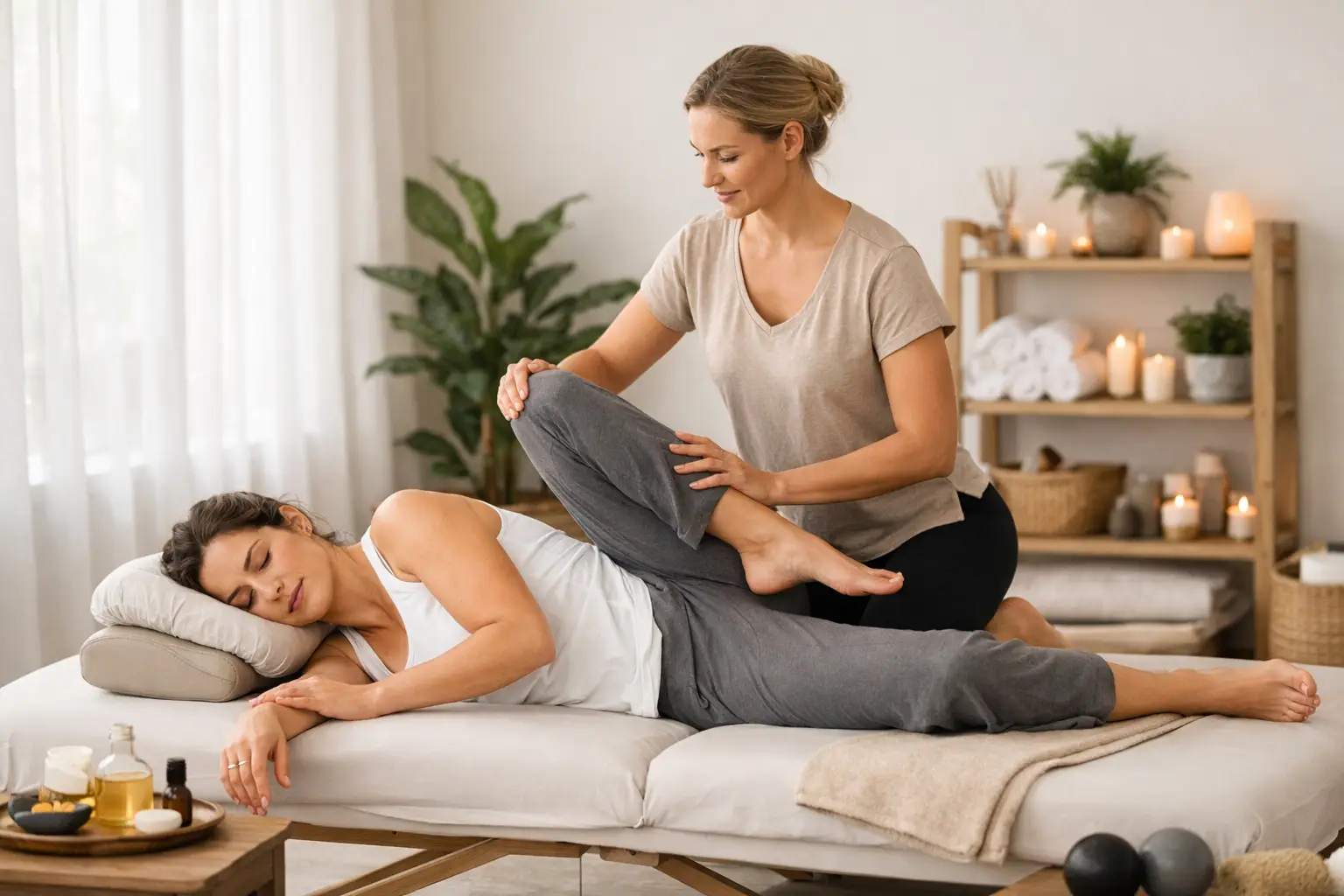
Blended bodywork combines complementary hands-on modalities within one personalized session. Instead of choosing between therapeutic massage, energy work, reflexology, or the soothing warmth of hot stones, your practitioner can thoughtfully integrate techniques that support what you need that day. The goal is not to add more for the sake of more. It is to create a treatment that feels responsive, calming, and genuinely useful.
What Is Blended Bodywork?
A blended session begins with listening. A practitioner may ask about tension patterns, stress, recent activity, injuries, sleep, and the kind of support you are hoping to receive. From there, the session can be shaped around your body’s feedback.
For one person, that may mean focused therapeutic massage for the neck, shoulders, and low back, followed by Reiki to encourage a deeper sense of calm. For another, it may include hot stones to soften guarded muscles before more targeted work, or foot reflexology to provide grounding and relaxation. At Positive Embrace Massage Therapy, this kind of approach is reflected in Reikissage, a signature service that brings massage and Reiki together in one restorative experience.
The difference is personal attention. A blended session is not a preset menu of techniques. It is an opportunity for skilled, intuitive care to adjust as your body relaxes, resists, or asks for a gentler pace.
Benefits of Blended Bodywork for Body and Mind
More complete support for muscle tension
Muscle tension is rarely just about one tight spot. A sore shoulder can be connected to posture, repetitive movement, old habits of bracing, or the stress that causes you to hold your breath without realizing it. Therapeutic massage can address the areas that need focused attention, while gentle calming techniques can help the rest of the body stop working so hard.
This matters because deep pressure is not always the best answer. Sometimes a muscle responds well to focused therapeutic work. Other times, warmth, slower touch, and time to settle are what allow the area to soften. Blended bodywork gives the practitioner more ways to respond without forcing a one-size-fits-all approach.
A calmer response to everyday stress
Many clients seek massage because they feel physically worn down, then discover how much they needed quiet as well. A caring, unhurried session can offer a pause from constant demands, notifications, caregiving, deadlines, and decision-making.
Massage, Reiki, and reflexology each create space for stillness in different ways. While experiences vary, clients often describe feeling grounded, lighter, or more settled afterward. The value is not limited to the hour on the table. When your body has had a chance to rest, it can be easier to notice tension sooner, breathe more fully, and carry a calmer presence into the rest of the day.
Care that can change with your needs
Your body does not arrive the same way every month. One visit may be about recovering from a demanding week or a long drive. Another may be about easing chronic tightness, supporting rest, or taking time for emotional reset. Blended bodywork allows the session to change with you.
That flexibility is especially meaningful for clients who have tried routine massage treatments but felt that something was missing. A practitioner-led session makes room for both specific goals and the less visible effects of stress. You do not need to have the perfect words for what is wrong. A thoughtful therapist can begin with what you notice and continue listening throughout the treatment.
Deeper relaxation without losing therapeutic purpose
Some people assume therapeutic bodywork must be intense to be effective. Others worry that relaxation-focused care will not offer meaningful help for stubborn tension. In reality, these experiences do not have to be opposites.
A well-blended session can include purposeful work while preserving a sense of safety and ease. Heated basalt stones may prepare muscles for massage without requiring excessive pressure. Reiki can create quiet between more focused techniques. Reflexology can add a grounded, restorative element near the end of a session. The result can feel both intentional and deeply restful.
When a Blended Session May Be a Good Fit
Blended bodywork can be a supportive choice if you regularly carry tension in your neck, shoulders, hips, or back and feel that stress is adding to the discomfort. It may also appeal to parents, professionals, and caregivers who spend much of their time looking after everyone else and need care that feels replenishing rather than rushed.
It can be particularly helpful for people who want a more holistic experience but still value professional skill and clear communication. You may enjoy a blended session if you appreciate the physical benefits of massage but are also curious about Reiki, hot stones, or reflexology in a calm and respectful setting.
It depends, however, on your preferences and current health needs. If you have an acute injury, a recent surgery, circulation concerns, pregnancy, a serious medical condition, or unexplained pain, share that information before your appointment. Your practitioner can help determine which techniques are appropriate, modify the session, or encourage you to consult your health care provider when needed. Bodywork supports well-being, but it is not a replacement for medical diagnosis or treatment.
How to Get the Most From a Blended Bodywork Session
The most helpful thing you can bring is honest feedback. Let your therapist know where you feel discomfort, whether you prefer lighter or firmer pressure, and what kind of outcome would feel meaningful. You can also mention if you are feeling emotionally overwhelmed, unusually fatigued, or simply in need of quiet. Those details help shape care that feels personal.
During the session, you remain in charge. Speak up if pressure feels too intense, if you are cold, or if a technique does not feel right. A compassionate practitioner welcomes that communication. The purpose is not to push through discomfort. It is to create a treatment that supports your body’s ability to relax and restore.
Afterward, give yourself a little room to notice how you feel. Drink water, move gently, and avoid packing the next hour with more demands if possible. Some people feel immediately renewed; others notice the effects as the day unfolds. If tension has built over months or years, regular sessions may be more helpful than expecting one appointment to resolve everything at once.
A More Personal Kind of Self-Care
The strongest benefits of blended bodywork are often felt in the way the session honors the whole person. It recognizes that sore muscles, mental overload, fatigue, and the need for comforting human connection can overlap. Rather than asking you to choose between therapeutic relief and deep rest, it offers space for both.
When care is guided by skill, presence, and genuine attention, bodywork becomes more than a temporary escape. It can become a steady practice of noticing what your body needs and allowing yourself to receive it with kindness.


Comments