

Therapeutic Massage vs Relaxation Massage
- positiveembrace1
- May 16
- 6 min read
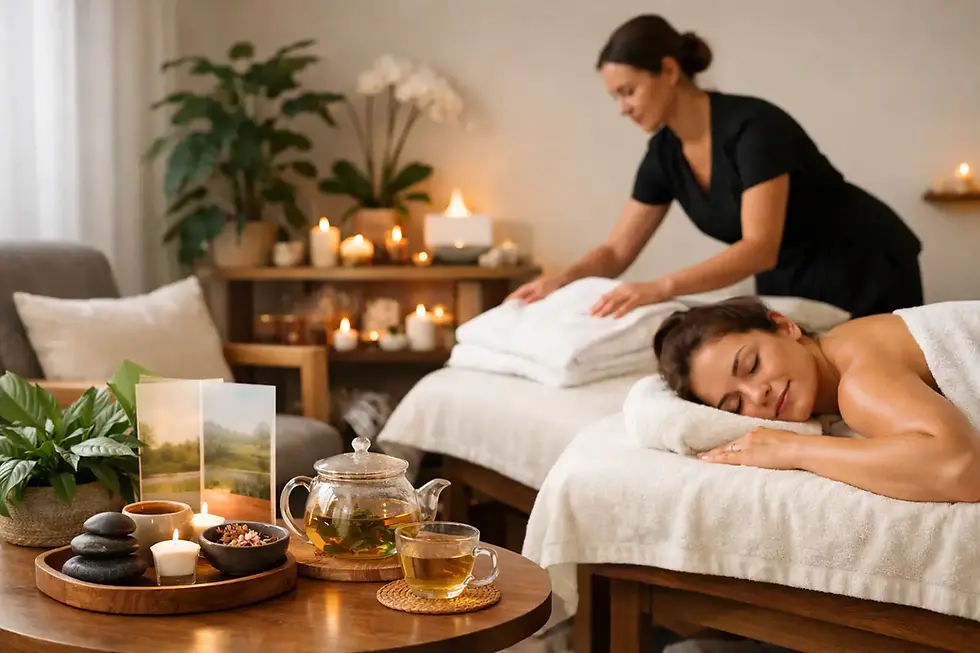
Some people book a massage because their shoulders feel like stone. Others book because they are carrying too much stress and need a quiet hour to breathe again. When it comes to therapeutic massage vs relaxation massage, the right choice depends on what your body is asking for and what kind of support you hope to receive from the session.
Both styles can feel deeply beneficial. Both can reduce stress, support better sleep, and help you reconnect with your body. But they are not the same experience, and understanding the difference can help you choose with more confidence.
Therapeutic massage vs relaxation massage: what sets them apart?
The simplest distinction is the intention behind the session. Relaxation massage is designed to calm the nervous system, ease general tension, and create an overall sense of peace. Therapeutic massage is more targeted. It is used to address specific areas of pain, restriction, chronic tightness, or physical imbalance while still offering the calming benefits of skilled touch.
That does not mean therapeutic massage has to feel harsh, and it does not mean relaxation massage lacks value. In a professional practice centered on healing, both are meaningful. The difference is less about one being better and more about what outcome you need most right now.
A relaxation massage usually uses flowing strokes, steady rhythm, and moderate pressure. The pace tends to be consistent, and the goal is to help the whole body settle. You may leave feeling lighter, quieter, and more rested.
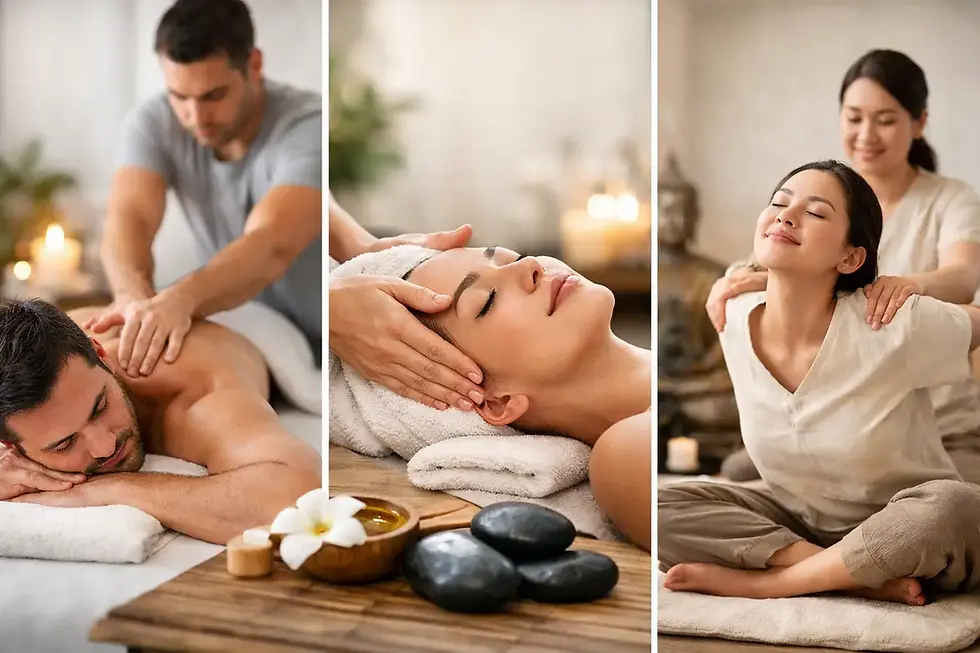
A therapeutic massage often begins with a closer look at what is bothering you. Maybe your neck has been tight for weeks, your low back feels strained after long workdays, or your hips are pulling from too much sitting. The therapist may spend more time on certain areas, adjust pressure as your body responds, and work with a more focused plan. You may leave feeling not only relaxed, but also looser, more mobile, and more supported in a problem area.
What a relaxation massage is meant to do
Relaxation massage is often the right fit when stress has built up in your body, but you are not dealing with a specific injury or persistent pain pattern. It supports circulation, encourages slower breathing, and helps the mind come out of constant alert mode.
For many people, that shift alone is powerful. A body that has been rushing, clenching, and bracing all week does not always need intense work. Sometimes it needs quiet, warmth, and a steady, reassuring pace. When the nervous system softens, muscle tension often follows.
This style is especially helpful for people who are new to massage, feeling emotionally overloaded, or simply wanting restorative care without concentrated focus on one area. It can also be a beautiful choice during demanding seasons of life when rest has been hard to come by.
A good relaxation massage is not superficial. It is skilled, intentional work that honors the whole person. The benefit is broad rather than corrective. Instead of asking, "How do we fix this one issue?" the session asks, "How do we help your entire system settle and restore?"
What therapeutic massage is meant to do
Therapeutic massage is usually chosen when there is a more defined concern. That might be chronic neck tension, shoulder restriction, low back discomfort, headaches related to muscle tightness, overworked legs, or stress that has settled into one stubborn part of the body.
The work is more individualized by design. A therapist may assess posture, ask about movement habits, or notice compensation patterns in surrounding muscles. The session is then shaped around your needs rather than following the same sequence everywhere.
Pressure in therapeutic work can be deeper, but deeper is not always better. Effective therapeutic massage depends on precision, timing, and responsiveness. Sometimes slow, moderate pressure is exactly what allows tissue to release. Sometimes focused work on one area brings relief. Sometimes the body needs a combination of targeted technique and calming touch so it can stop guarding.
This is where practitioner experience matters. Therapeutic massage should feel purposeful, not punishing. You may notice tenderness in places that have been tight for a long time, but the goal is not to overpower the body. The goal is to work with it.
How the sessions can feel different
If you have only had one type of massage before, the difference can be noticeable from the beginning.
In a relaxation session, the flow is usually more continuous and full-body. You are invited to let go, receive, and drift into rest. Many clients become so relaxed that they lose track of time.
In a therapeutic session, there may be more conversation at the start and sometimes a brief check-in during the work. The therapist may return to one area several times or spend less time on parts of the body that are not the priority that day. The rhythm may change depending on what the tissue needs.
Neither experience is more valid. They simply serve different purposes. One supports broad restoration. The other addresses a more specific concern while still making room for restoration.
Which one should you choose?
If your main goal is to unwind, calm your mind, sleep better, and release everyday tension, relaxation massage is often the best place to start. It can be especially helpful if your stress feels global rather than local, meaning your whole body feels tired, tight, or overstimulated.
If your main goal is relief from a specific issue, therapeutic massage is likely the better match. This is often true when one area keeps bothering you, your range of motion feels limited, or stress has turned into recurring physical discomfort.
There is also an in-between space, and many people live there. You may have a focused area of tension, but also feel exhausted and emotionally overloaded. In that case, a therapeutic session with a calming, intuitive approach can be ideal. At Positive Embrace Massage Therapy, this balance is often where the most meaningful work happens - targeted care without losing the sense of peace that helps the body respond.
Therapeutic massage vs relaxation massage for stress and pain
People often assume relaxation massage is for stress and therapeutic massage is for pain. That is mostly true, but real life is not always so neatly divided.
Stress often shows up as pain. Tight shoulders, jaw clenching, tension headaches, and low back discomfort can all be physical expressions of emotional overload. In those cases, a therapeutic approach may help because the tension has become specific and patterned.
Pain can also be amplified by stress. If your nervous system is always on edge, your muscles may have a harder time letting go. That is why the best therapeutic work still includes a sense of safety and calm. Relief is not only about technique. It is also about helping the body feel supported enough to stop holding on.
This is why choosing between the two is not about labels alone. It is about the whole picture - your symptoms, your stress level, your comfort with pressure, and what kind of result would feel most helpful after the session.
What to expect from results
Relaxation massage often brings immediate benefits like calm, better sleep, lighter mood, and a sense of being grounded again. Some clients notice less overall tension for days afterward, especially when they have been carrying stress for a long time.
Therapeutic massage may bring a different kind of result. You might notice easier movement, less pulling in a problem area, reduced soreness patterns, or fewer tension-related symptoms. Sometimes the change is immediate. Sometimes it unfolds over a few sessions as chronic patterns begin to shift.
That is an important trade-off to understand. If an issue has been building for months or years, one session may help, but it may not completely resolve the problem. Therapeutic work can be highly effective, yet it often works best as part of consistent care.
A gentle way to decide
If you are unsure which to book, ask yourself one question: am I looking for general restoration, or am I looking for focused relief?
If the answer is general restoration, relaxation massage is a thoughtful choice. If the answer is focused relief, therapeutic massage is likely the better path. And if your answer is both, that is worth saying when you schedule. A skilled therapist can often shape the session around both needs.
The best massage is not the one with the deepest pressure or the most impressive name. It is the one that meets you honestly, listens to what your body is telling us, and supports healing in a way that feels both effective and caring.
Your body gives signals long before it gives ultimatums. Listening early, and choosing the kind of touch that fits your needs, can make all the difference.

Comments